
Introduction: The Need for Innovation
As a designer and educator working in an alternative high school setting, I faced a unique challenge: how could I effectively engage students in English Language Arts (ELA) content when traditional approaches weren’t working? My students faced numerous barriers to engagement – inconsistent attendance, limited access to traditional field trips due to permission slip challenges, and varying levels of motivation. I needed to create something that would not only capture their interest but could be accessed flexibly and serve as a meaningful entry point into project-based learning.
The Solution: Gaming as a Bridge
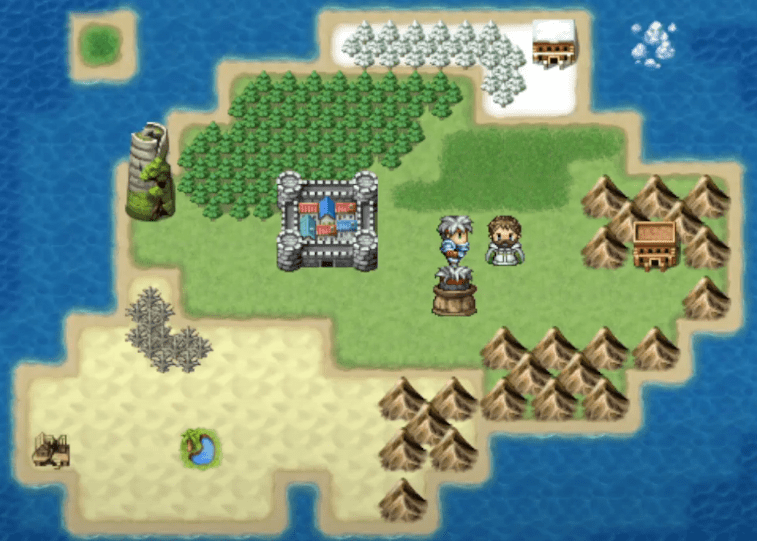
After considering various options including presentations and virtual field trips, I landed on creating custom RPG (Role-Playing Game) video games as unit hooks. This decision wasn’t made lightly – it came from observing that many of my students were already engaged in gaming during class time. As I often tell other educators, “If they’re going to be trying to play video games in the classroom, I may as well make them video games that are for the classroom.”
Design Constraints and Considerations
Several key factors shaped my approach:
- Technical Accessibility:
- Games needed to work offline
- File sizes had to be manageable for download
- Interface needed to be intuitive
- Design had to work across varying computer capabilities
- Educational Integration:
- Content needed to align with ELA standards
- Games had to serve as effective hooks for PBL units
- Design needed to support group work skills
- Structure had to accommodate irregular attendance
- Engagement Factors:
- Games needed to be completable in roughly 30 minutes
- Content had to be relevant yet engaging
- Design needed to support multiple playthroughs
- Structure had to encourage exploration
Development Process
Technical Implementation
I chose RPG Maker as my development platform for several reasons:
- Utilized familiar gaming mechanics
- Allowed use of public domain assets
- Enabled creation of consistent game world
- Supported modular design approach
While I handled all programming, narrative design, and educational content integration, I leveraged the platform’s existing assets for graphics and basic mechanics. This approach allowed me to focus on educational design while maintaining professional-looking output.
Educational Design
Each game was designed with three core objectives:
- Group Work Skills:
- Party-based gameplay mechanics
- Character classes with different strengths
- Scenarios requiring collaboration
- Multiple paths to success based on team composition
- Content Knowledge:
- Embedded skill refreshers in environment
- Real-world scenarios with fantasy overlays
- Multiple solution pathways
- Progressive skill building
- Project Preparation:
- Scenario-based problem solving
- Research skill development
- Critical thinking opportunities
- Ethical decision making
Example Game: Ethics and Law
One game focused on ethical decision-making through a fantasy lens. Players encountered a scenario involving theft of a healing herb – a fantasy version of the classic ethical dilemma about stealing medicine. This approach allowed students to:
- Explore complex ethical issues in an engaging context
- Research historical precedents (in the form of fantasy scrolls)
- Consider multiple perspectives
- Make and justify difficult decisions
Implementation and Outcomes
Classroom Integration
The games served multiple purposes in my classroom:
- Unit introduction activities
- Reference points for weekly reflections
- Tools for discussing group dynamics
- Scaffolds for project work
Impact on Learning
While developing these games required significant time investment (approximately 80 hours total), the results justified the effort:
- Improved student engagement
- Better understanding of group dynamics
- More effective project work
- Increased student motivation
Lessons Learned and Future Improvements
What Worked Well
- Fantasy overlays made complex topics accessible
- Flexible access accommodated attendance issues
- Multiple pathways supported diverse learning needs
- Consistent game world built ongoing engagement
Areas for Improvement
- More natural integration of educational content
- Streamlined technical setup process
- Enhanced connections between game scenarios and projects
- Additional support for reflection activities
Conclusion: Gaming as a Gateway to Learning
Creating these RPG hook games demonstrated the power of meeting students where they are. By combining familiar gaming mechanics with meaningful educational content, I was able to create entry points that engaged students who might otherwise have remained disconnected from the learning process.
The success of this approach suggests broader applications for game-based learning in project-based contexts, particularly for at-risk students. While the development process requires significant investment, the resulting engagement and educational benefits make it a worthwhile consideration for educators working with similar populations.
Key Takeaways for Educators
- Game-based learning can effectively support PBL when:
- Design focuses on core educational objectives
- Technical barriers are minimized
- Content connects directly to project work
- Multiple engagement paths are available
- Success factors include:
- Flexible access options
- Clear connections to learning objectives
- Engaging scenarios
- Support for diverse learning needs
This case study represents just one approach to bridging the gap between students’ interests and educational needs. As we continue to explore innovative teaching methods, game-based learning offers promising opportunities for engaging our most challenging-to-reach students.
 Brady Licht