
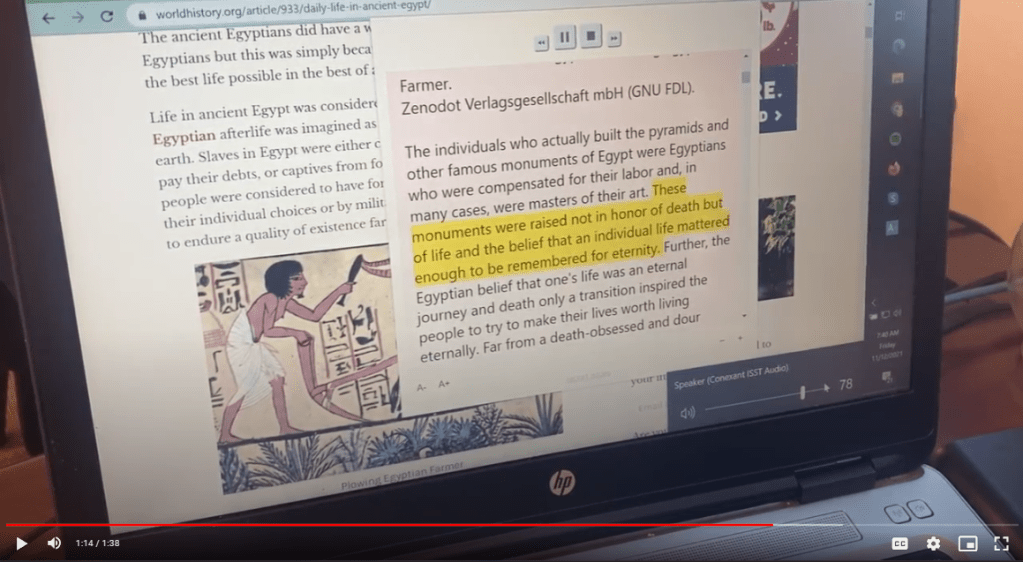
In 2020, I undertook one of my first major instructional design projects – developing an online training course on assistive technology for teachers working with students with dyslexia and struggling readers. The project, titled “Dyslexia 301,” was commissioned by the Rapid City Area School District as part of their ongoing professional development initiatives.
The goal was to create a 1-hour asynchronous online course that would equip teachers with knowledge about assistive technology tools, how to implement them, and how to support students in using them effectively. This course was intended to build upon previous trainings (Dyslexia 101 and 201) and address gaps in teacher knowledge around supporting students with reading difficulties in increasingly digital learning environments.
Process
The project was constructed in a spiral-fashion, circling through the different components (characterizing the learners, outcomes, activities, assessment, and evaluation) and gradually building a clearer and more refined product through each phase. Effort was made throughout to draft and prototype before reaching the final product.
Design Phases
1) Define Phase
The scope and general aspects of the project were defined in the initial proposal document. This included a detailed statement of the problem, project goals, audience description, and delivery strategies. A key challenge during this phase was providing enough context for the situation that later design choices would make sense.
2) Design Phase
The learning sequence and events were designed. This phase involved creating a detailed course outline, defining specific learning objectives, and planning assessment strategies. An early diagram of the instructional sequence and events was run by the clients (Dyslexia Task Force) for feedback.

3) Demonstrate / Production Phase
Specific materials for the learning were demonstrated and prototyped. This included creating interactive video tutorials, developing a chart comparing different assistive technology options, and drafting the job aid on e-learning accessibility. A portion of the target audience was provided with a sample interactive video/scenario to provide input on.

4) Develop & Deliver Phase
The materials and events were placed into the LMS and developed into the final course structure. This involved setting up the Canvas course, embedding videos and quizzes, and ensuring all elements functioned as intended. Before final delivery, a pilot test was conducted with staff volunteers at one of the high schools.
Reflections
Initial Reflections
Immediately following the project completion, several key reflections emerged:
- The project highlighted the importance of balancing depth of content with time constraints in online learning. Crafting a meaningful learning experience within the 1-hour limit required careful curation of content and activities.
- Incorporating choice into the learning experience (allowing teachers to select which assistive technology tool to focus on) proved to be a valuable strategy for engagement and personalization.
- The process of creating interactive video tutorials with embedded questions was a new skill that significantly enhanced the ability to demonstrate software tools effectively.
- Collaboration with the Dyslexia Task Force throughout the process was crucial in ensuring the content met the specific needs of the district.
- The challenge of addressing a diverse audience (teachers across all grade levels and subject areas) reinforced the importance of providing flexible, adaptable content.
Four Years Later Retrospective
Revisiting this project after four years provides an opportunity to reflect on how my instructional design practice has evolved:
1) More Fluid Instructional Design Process
My approach to instructional design has become significantly more fluid and iterative since completing this project. Rather than adhering strictly to a linear ADDIE-style process, I now move more freely between analysis, design, and development phases. This allows for quicker prototyping and refinement of ideas. For instance, if approaching this project today, I might develop a rough prototype of one of the interactive video tutorials very early in the process. This would allow for testing of the concept with a small group of teachers, gathering valuable feedback that could inform the broader course design. This iterative approach helps to identify potential issues or opportunities for improvement much earlier in the process.
2) Enhanced Focus on Needs Analysis and User Empathy
While the original project did involve consultation with the Dyslexia Task Force and review of previous training feedback, my current approach would involve a much deeper dive into understanding the needs and experiences of both teachers and students. This might involve:
- Conducting in-depth interviews with a diverse sample of teachers to understand their current challenges and successes with assistive technology.
- Shadowing students who use assistive technology to gain first-hand insight into their experiences.
- Analyzing data on current assistive technology usage and impact within the district.
- Facilitating focus groups with both teachers and students to brainstorm ideas for effective implementation strategies.
By developing a deeper empathy for both teachers and students, the resulting learning experience could more precisely address real-world pain points and scenarios, potentially leading to greater long-term impact.
“I’m wondering how assistive technology would work at the elementary level. Elementary classrooms don’t have specific content areas or textbooks. Some read-aloud features are available within the Wonders curriculum. Assistive technology may look very different at the elementary level.”
Dyslexia Task Force Feedback
3) Emphasis on Content Modularity
One of the most significant shifts in my approach would be a much stronger focus on creating modular, repurposable content from the outset. While the original course had some elements of this (like the job aid on e-learning accessibility), a current approach would design with even greater flexibility in mind.
4) Expanded Evaluation and Continuous Improvement
While the original project included plans for both formative and summative evaluation, my current approach would place even greater emphasis on ongoing evaluation and improvement. This might involve:
- Implementing a more robust system for tracking usage data within the course itself (e.g., which resources are most frequently accessed, where users spend the most time).
- Conducting regular follow-up surveys or interviews with teachers to assess the long-term impact of the training on their classroom practices.
- Creating mechanisms for teachers to easily submit feedback or suggestions for improvement directly within the course.
- Establishing a regular review cycle to update course content, ensuring it remains current with evolving technology and best practices.
5) Integration with Broader Professional Development Initiatives
With a more holistic view of instructional design within organizational contexts, I would now place greater emphasis on how this course integrates with and supports broader professional development initiatives within the district. Considerations might include:
- How the course aligns with and supports other training initiatives related to blended learning or special education.
- Opportunities for follow-up support or advanced training for teachers who want to dive deeper into assistive technology implementation.
- Ways to leverage the course content to support ongoing professional learning communities or mentoring programs within the district.
Conclusion
In conclusion, reflecting on this project four years later highlights the significant growth in my instructional design practice. While the core goals and much of the content remain relevant, my approach to achieving those goals has evolved to be more user-centered, flexible, and focused on long-term impact and sustainability.
 Brady Licht