
Lenses
Lenses and Parallels. Most writing about educational technology draws on business case studies, product comparisons, and implementation frameworks. This collection draws on other sources: speculative fiction, design principles borrowed from natural systems, contemplative practice, and the things birding and games have to say about what it means to know something. The thread connecting these pieces is an interest in what we can learn about technology, learning, and ethics from fields parallel to our own. If speculative fiction is the draw, Le Guin’s Carrier Bag Theory in Learning Design is the place to start.
-
The Difference Between a Game and a Badge
Canvas has a badge feature. If I want to, I can open the settings for a course, attach a requirement to a module, and have the system hand out a small image…

-
Trying a Post-Digital Lens
Most of the language we use to talk about technology in education assumes a line between the digital and everything else. We talk about technology integration, as if the technology arrives from…
-
I Know a Grackle
My dad kept a bird book with a life list penciled inside the front cover. I don’t think he updated it very often. It was one of those things that surfaced years…
-
The Unwavering Band of Light
Early in my career as an instructional designer, I took on a project that should have felt like meaningful work. We were building a train-the-trainer program for people who would be supporting…
-
What a Fictional Physicist Taught Me About Ethics in Technology
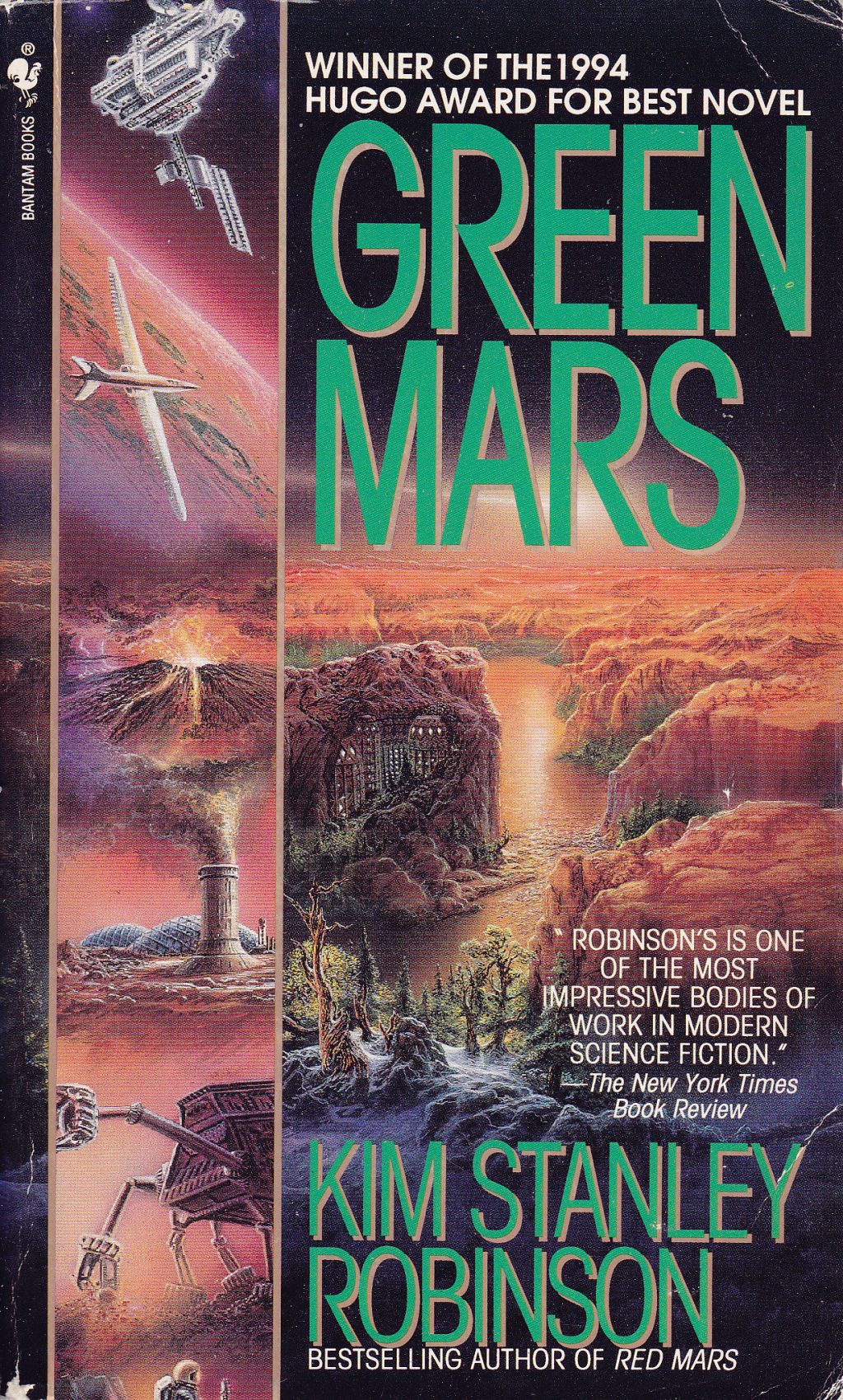
There’s a character in Kim Stanley Robinson’s Mars Trilogy I think about occasionally. His name is Sax Russell, a physicist and one of the first hundred scientists sent to colonize Mars, and…
-
Action, Information, Rest: Cycles of Design
I keep returning to a single line from Ursula K. Le Guin that has quietly shaped how I approach both learning design and my own professional development: “When action grows unprofitable, gather…
-
Thought Technology: The Arguments Inside Our Frameworks
Revised September 2026. The original version of this piece treated concepts, symbols, and frameworks as neutral tools and recommended a handful of them, including “pipeline” and “return on investment,” without asking what…
-
“Flow” in Course Design: Organic, Alternative Approaches
For most of my career I have designed courses the way I build Canvas templates, which is out of parts. My atomic design system breaks a course into atoms (colors, fonts, buttons),…

-
Biomimicry as a Lens: Coyotes, Pine Cones, and Prairie Grass
This series began as four separate posts and was adapted into a presentation at ISTELive25, embedded below. In September 2026 I consolidated the four pieces into this one essay, keeping what held…
-
How Science Fiction Can Improve EdTech & Design
I’m an unabashed science fiction nerd. My bookshelf is an embarrassment of riches: dog-eared copies of Le Guin’s Always Coming Home, Butler’s entire Xenogenesis series, and all three volumes of Kim Stanley…