
Lenses
Lenses and Parallels. Most writing about educational technology draws on business case studies, product comparisons, and implementation frameworks. This collection draws on other sources: speculative fiction, design principles borrowed from natural systems, contemplative practice, and the things birding and games have to say about what it means to know something. The thread connecting these pieces is an interest in what we can learn about technology, learning, and ethics from fields parallel to our own. If speculative fiction is the draw, Le Guin’s Carrier Bag Theory in Learning Design is the place to start.
-
Le Guin’s Carrier Bag Theory in Learning Design
As a learning experience designer and a longtime reader of Ursula K. Le Guin, I keep finding my way back to her essay “The Carrier Bag Theory of Fiction.” Le Guin is…

-
Life-Centered Design in E-Learning
Power-hungry AI applications are being folded into educational technology, and into the design process itself, faster than most of us can evaluate them. Wherever you land on that, two things are true:…

-
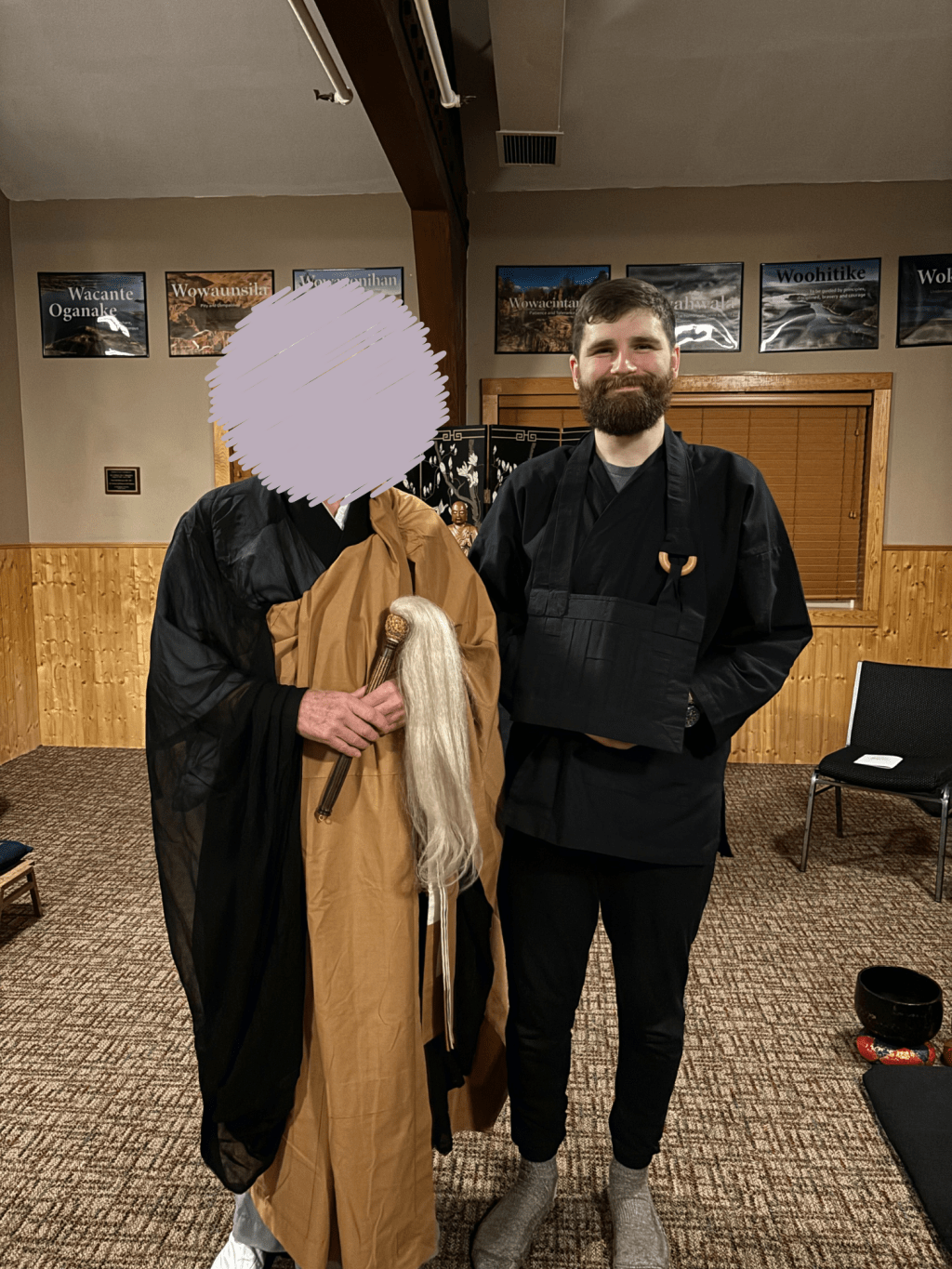
What Koan Practice Taught Me About E-Learning (and What I’m Still Figuring Out)
As an e-learning consultant and a student of Zen, I spend a lot of my professional life trying to make learning more efficient and a lot of my personal life sitting with…
-
Calm Technology in Educational Settings
Walk into most classrooms that have gone through a recent technology initiative, and you will notice something familiar. There are interactive whiteboards requesting firmware updates, tablets pinging with notifications, an LMS that…
-
Audio-Only Options: Do You Really Need Instructional Videos?
Ask most people building a course how to make it better and the answer usually involves more video: a welcome video, a video per module, a recorded walkthrough of every page. Video…